
By Peter Lynch
DORRIGO, NSW, AUSTRALIA - Residents of Muana Village in Fiji are set to receive a reliable electricity supply thanks to a new contract awarded to Pelena Energy of Dorrigo, Australia. The company will replace a long-troubled micro-hydroelectric turbine.
Pelena Energy of Dorrigo has been awarded a contract by the Fijian Department of Energy to replace a micro-hydroelectric turbine at Muana Village, Natewa Bay, Vanua Levu, Fiji.
This will be the first Pelena turbine delivered to Fiji, adding to the increasing number of Pelena turbines now operating in PNG, Solomon Islands, Vanuatu, and Australia.
It will generate 40 kw of 3-phase electrical power from a Head pressure of 155 metres. This will feed into an existing 11kv transmission line to supply electricity to at least 168 houses from Naqaravutu village to Navidi settlement near Wailevu Village, plus schools, churches, and community centres.
These Run-of-River hydros generate 24/7 electricity without the need for batteries.
The original Muana hydroelectric system was commissioned in 1999. However, repeated problems, including burst pipelines, ingress of excessive dirt, excessive belt consumption, controller failures, and in 2020, a catastrophic failure of the turbine, have made the system inoperable and unrepairable.
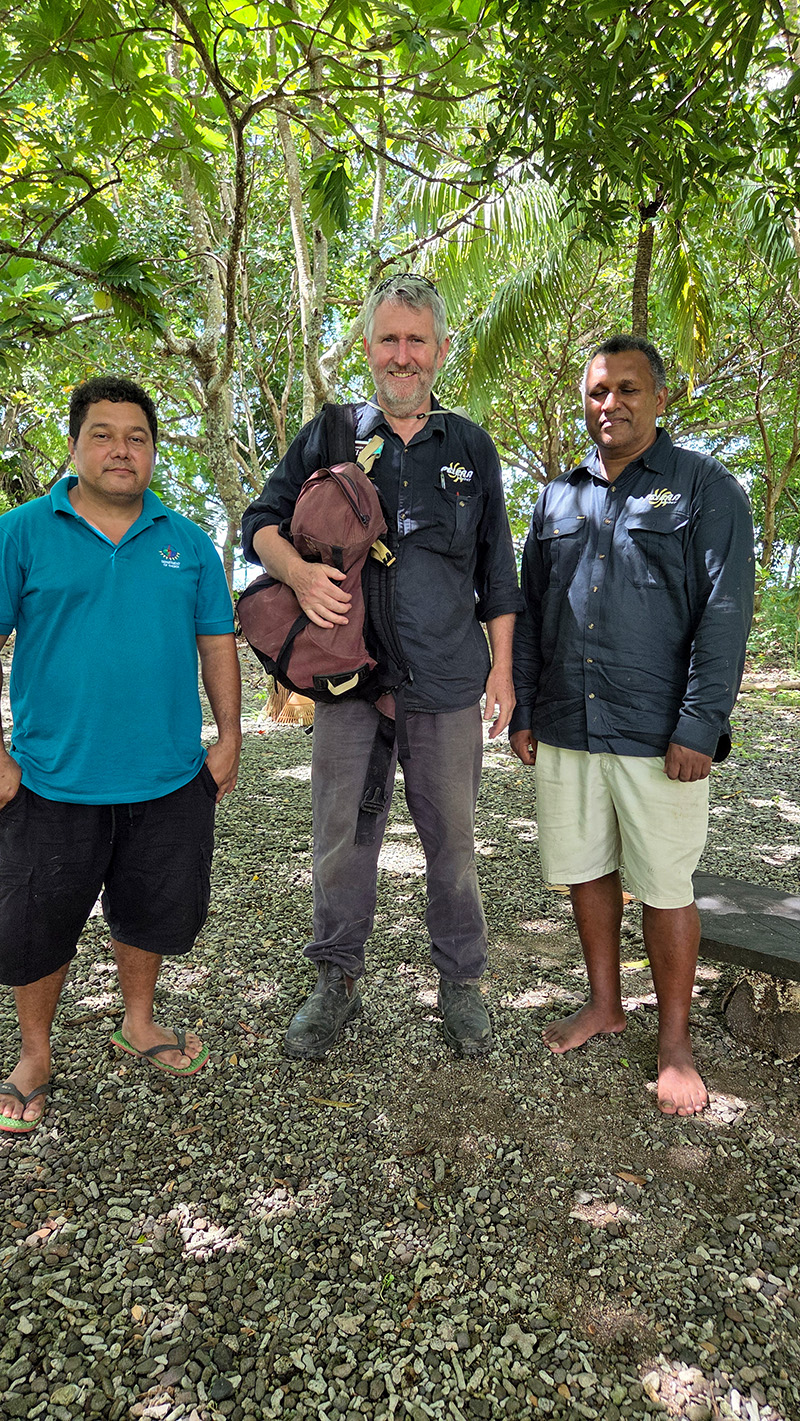
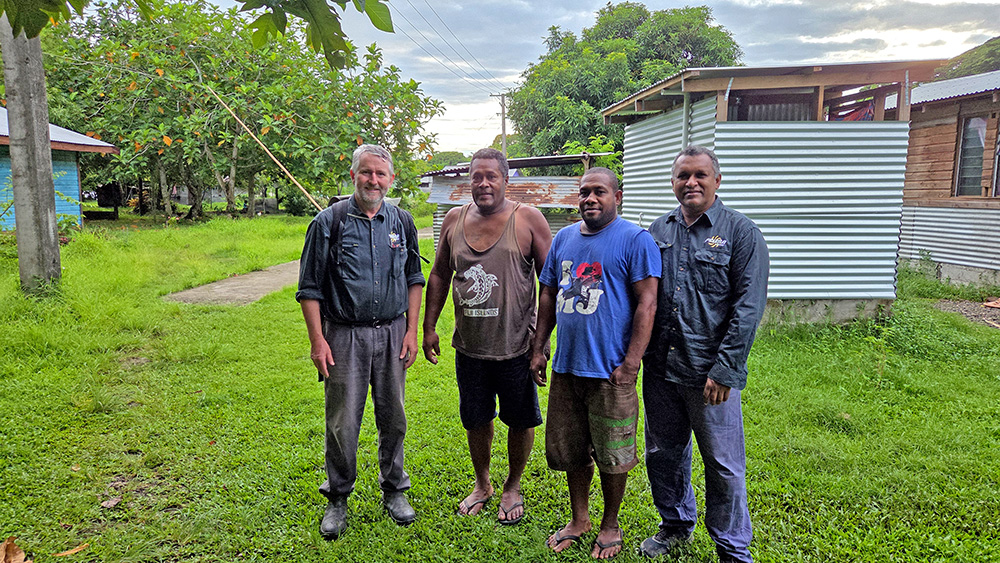
Pelena Energy’s managing director, Peter Lynch, visited the site in March this year, accompanied by Pelena’s Fijian country representative, Francis Pillay, and representatives from the Fiji Department of Energy, including Jeke Vakaloloma Pai and Epeli Roger.
The design of Pelena’s turbine and control system is expected to significantly increase the reliability of the system primarily because it will not cause ‘water hammer’ in the penstock (pipeline), plus incorporates a ‘jet deflector’ to safely deflect the water away from the turbine in the event of a system fault.
Pelena is also making recommendations to the Department of Energy to upgrade the headworks to minimize the ingress of rocks, sticks, and dirt into the system. This will significantly increase the reliability of the system.
Numerous meetings were held with members of the community to discuss Pelena’s approach to rural hydro systems. The communities were eager to learn about the operation of Pelena’s rural hydro systems in other Melanesian countries.
Peter Lynch said, “I explained that whilst I believe Pelena makes a great turbine, what we’re really focused on is supplying equipment for reliable electricity to allow the community to utilise this renewable energy resource as a tool for development.”
“I was truly shocked by the community’s response to these comments,” said Peter Lynch. “To me, providing a turbine is just part of supplying a reliable electricity source. Good equipment, good training, and good backup support are all essential to supplying reliable electricity. At Pelena, we believe ‘good products help people help themselves.’”
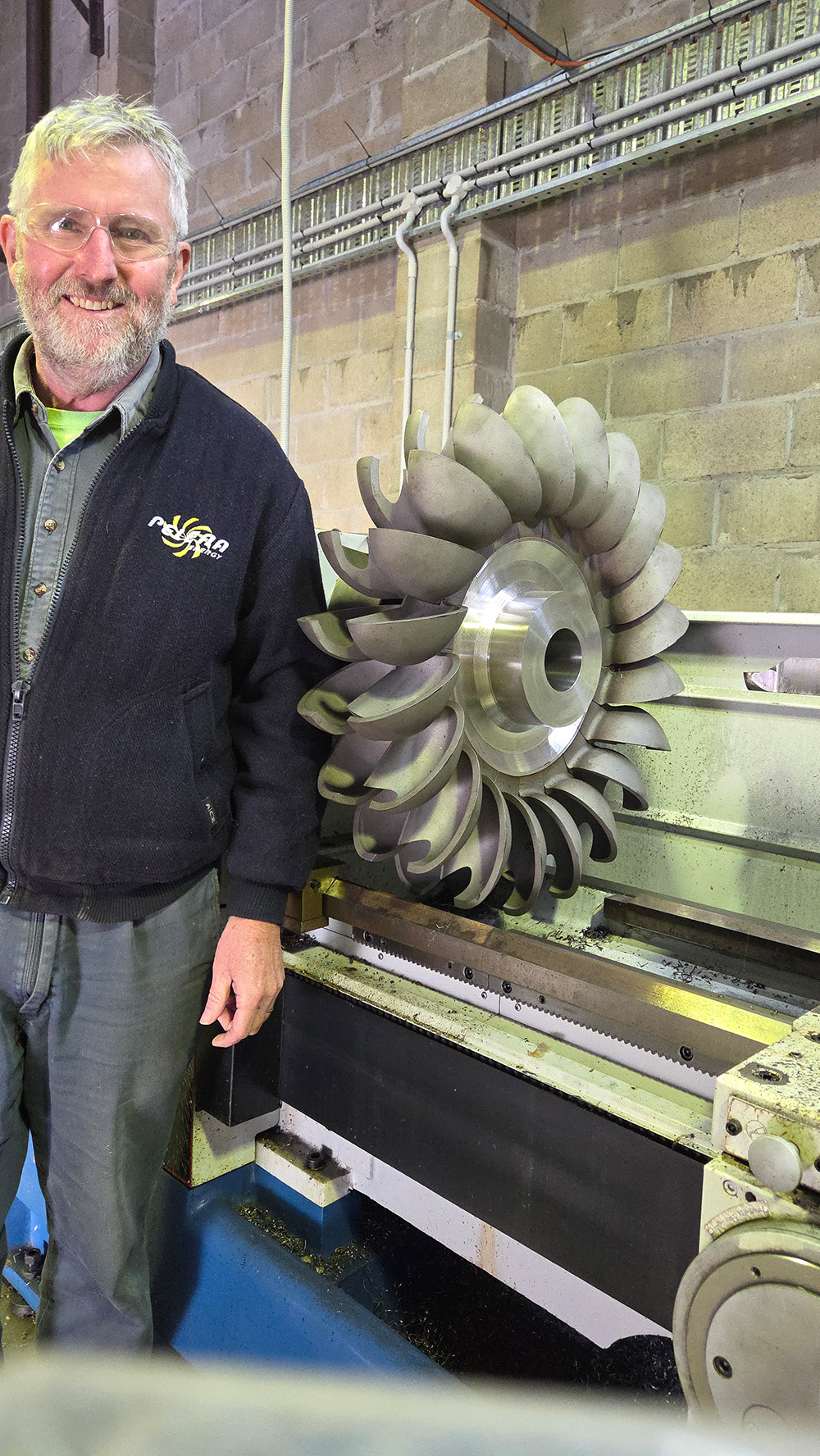
Manufacturing of the turbine is currently underway in Pelena’s Dorrigo factory and is expected to be commissioned in June this year.
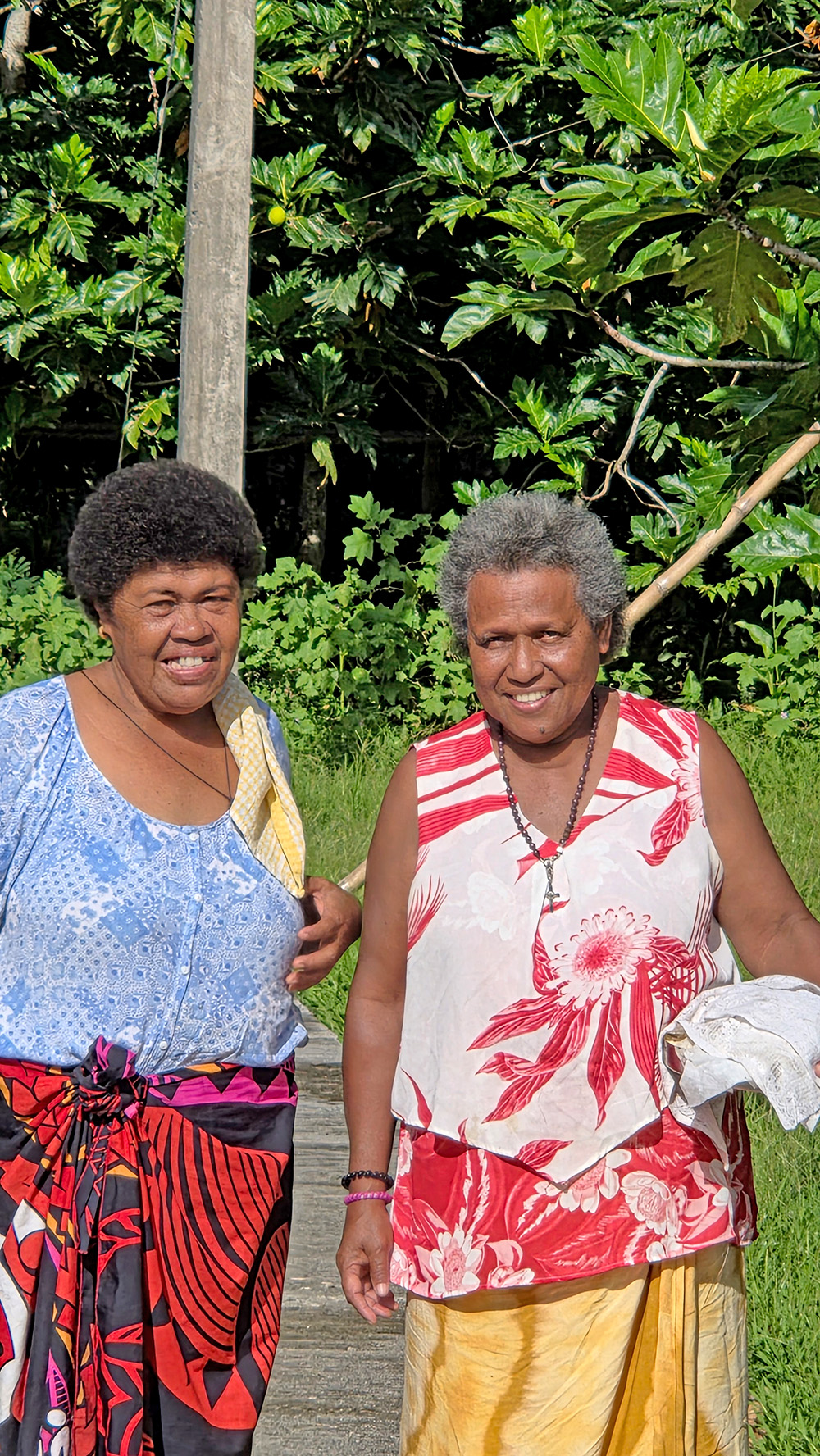
Women in Muana village discussed establishing an electric bakery run by a women’s cooperative with Pelena.