

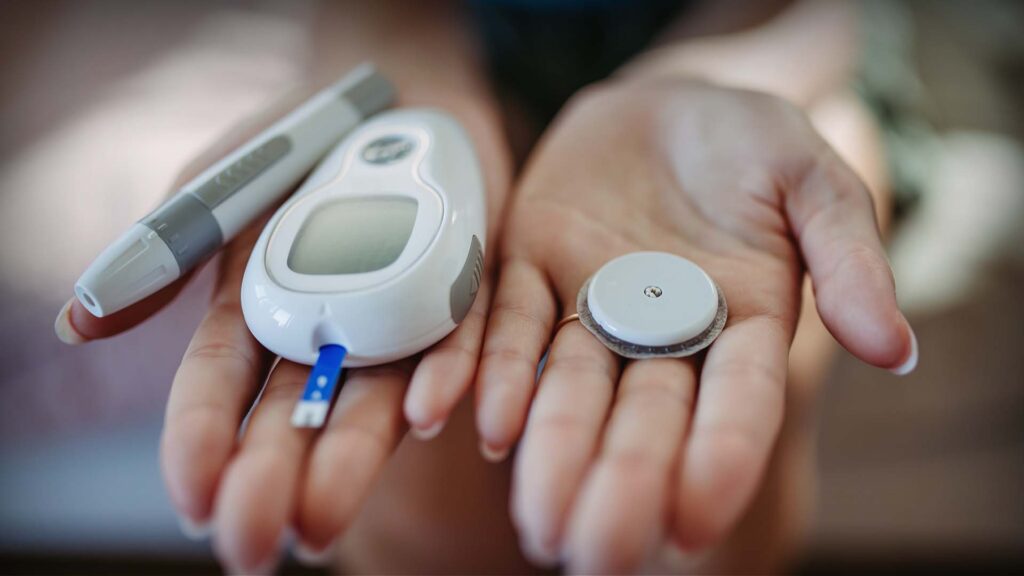
588 people are living with diabetes in the Bellingen Shire, according to Diabetes Australia, which is a leading diabetes organisation in asking for urgent help for them during this Federal Election campaign.
The organisation says there are 499 people living with type 2 diabetes and 74 people with type 1 diabetes, including children, living in the Bellingen Shire.
Diabetes Australia is calling for both major parties to commit to expanding affordable access to life-changing technologies for people living with diabetes.
Their latest cost of living survey found that for 61 percent of people, the cost of diabetes medicines and technologies was their greatest challenge.
Diabetes Australia Group CEO Justine Cain said Australians living with all types of diabetes should have equitable access to the technology they need to live well.
“Nobody should have to decide between good health care and putting food on the table,” Ms Cain said.
“The bi-partisan support to expand continuous glucose monitoring (CGM) device subsidies for people living with type 1 diabetes in 2022 was welcome and much needed, and we thank both the Government and the Opposition for that.
“Unfortunately, people living with type 2 diabetes requiring multiple daily insulin injections are still being denied the same subsidy. On top of that, thousands of Australians living with type 1 diabetes who can’t afford top-level private health insurance are not able to afford insulin pumps.
“This situation cannot continue. Not only are we falling behind the diabetes technology provided in many other developed nations, but as a country, we are now failing to provide what is considered standard care in the management of diabetes. There is clear evidence that access to diabetes technologies reduces overall healthcare costs for both the individual and the healthcare system.
“A person’s bank balance or postcode should not be a barrier to good health,” Ms Cain said.
In its policy paper, Equitable Access to Diabetes Technology, Diabetes Australia recommends a $200 million investment over four years to expand subsidised access to diabetes technologies for key priority groups as a first step.
“Expanding subsidies for CGM devices will provide access for approximately 22,000 people living with type 2 diabetes, and expanding subsidies for insulin pumps will increase access to a further 16,000 people living with type 1 diabetes.”
More than 1.5 million Australians are living with diabetes, and 500,000 are living with undiagnosed diabetes. More than 300 people are diagnosed every day, and it is estimated that the number of people living with diabetes in Australia will exceed 3.1 million by 2050.