

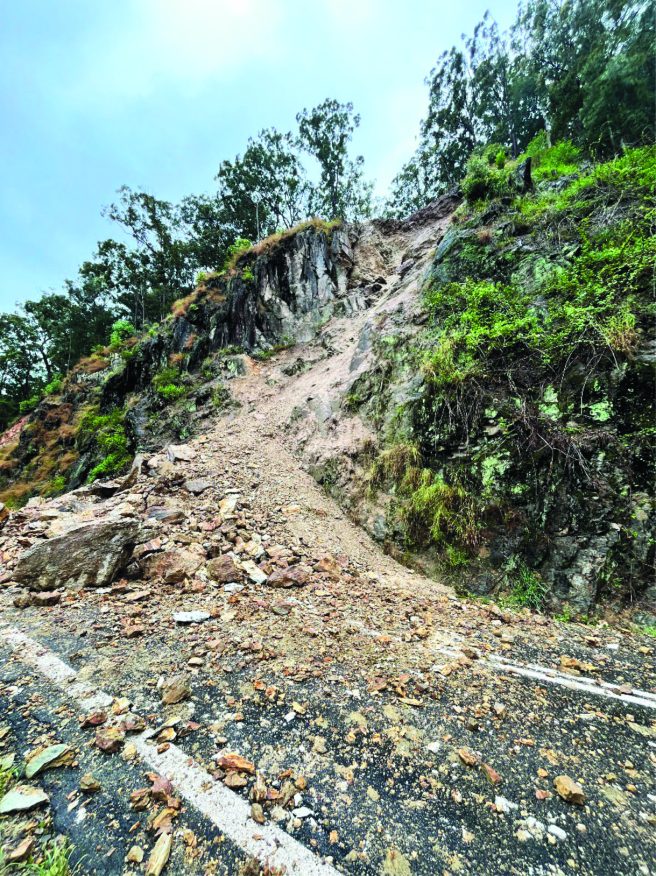
The Bellingen Shire Council said the figure was a “conservative estimate” after releasing the findings of its Waterfall Way Business and Community Impact Survey, which attracted a whopping 1623 responses.
Businesses in Dorrigo, Bellingen and Thora were the hardest hit, with more than 71 per cent reporting a drop in revenue and 72 per cent experiencing cancelled or delayed work. Freight costs also surged, with additional expenses estimated at nearly $200,000 per week.
The survey report estimates the economic toll of the closure at more than $10.1 million. This figure includes business revenue losses, reduced income for workers, and increased costs for households already under pressure.
Dorrigo Chamber of Commerce President Ben Garnock agreed the figure was conservative, given the massive hike in transport costs for businesses and farmers on the Plateau.
“There was a significant disruption to local businesses across the board,” Mr Garnock said.
“There has been a rebound since the reopening, but we are extremely aware of how precarious the situation is. If we get more than 50mm of rain, they will close Waterfall Way.”
“That’s why it so important to continue advocating for a secondary route and a permanent fix. It would be a good business case for the government, given they are building the new Rainforest Centre.”
Mayor Allan said the findings strengthen the Council’s case for increased support from State and Federal governments.
“What this data shows is that resilience of this corridor is not optional, it’s essential,” he said.
“We need immediate investment in safer, more reliable alternate routes, as well as long-term solutions that ensure our communities are not isolated every time a landslip occurs.”
Cr Allan said the report provides a powerful, evidence-based case for future investment.
“It clearly demonstrates the need for infrastructure that protects access, supports local businesses and strengthens the resilience of our region.”
“This report confirms what our community has been telling us; when Waterfall Way closes, it doesn’t just disrupt travel, it disrupts lives.”
“From accessing healthcare and education to keeping businesses operating, the impacts ripple right across our Shire.”
More than 90 per cent of respondents report disruptions to family and support networks. Nearly 80 per cent said the closure affected their ability to attend work, medical appointments and other critical services.
The increased travel burden was another major concern. On average, residents reported spending an extra hour on the road each day, with total additional travel time across respondents exceeding 750 hours daily.
These disruptions have taken a toll on community wellbeing. More than 56 per cent of respondents reported experiencing moderate to significant stress during the closure, with many citing social isolation, financial strain and mental health concerns.
Young people and families were also affected, with nearly 29 per cent of households reporting impacts on children. School travel times increased by between 30 and 60 minutes or more, and transport services were significantly disrupted.