
By Michael Burt
Two local educators are playing pivotal roles in supporting the wellbeing of children and communities through the aftermath of traumatic events like the Bondi attack and Victorian bushfires.
Former Chrysalis Steiner School teacher Deborah Neale and Morning Star playgroup leader Suzane Polaris have become part of a growing global initiative called Emergency Pedagogy Without Borders.
Google AI describes Emergency Pedagogy as a trauma-informed, non-clinical approach that supports the wellbeing of children, young people and communities in the aftermath of disaster.
Deborah describes it as “first aid for the soul” through rhythm, play, movement, storytelling and the creative arts.
“In the immediate aftermath of a traumatic event, children, young people — and adults — are often unable to process their experiences verbally,” Deborah said.
“Trauma doesn’t always come out in words. It shows up in the body, in behaviour — and for children, often through their play. That’s where this work meets them.”
“We are like educators without borders working in trauma recovery.”
Deborah is the Founder and Managing Director of a new Australian chapter of Emergency Pedagogy Without Borders- a registered charity that forms part of a global network spanning 41 countries.
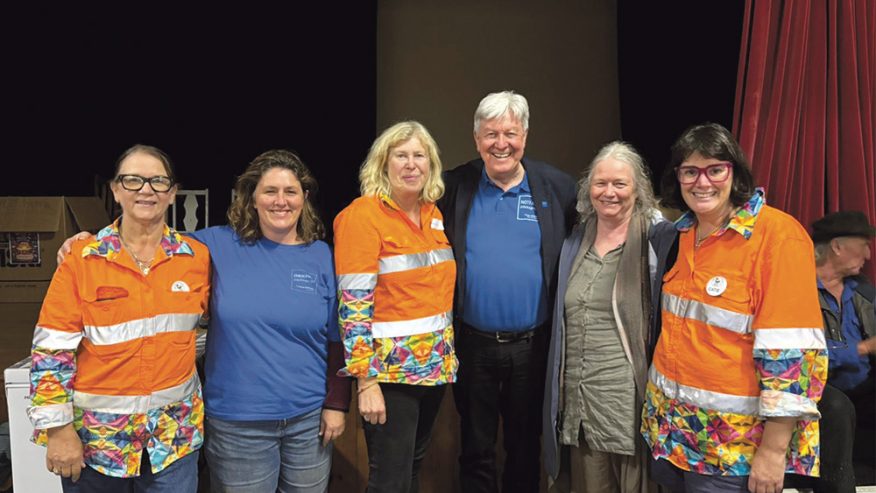
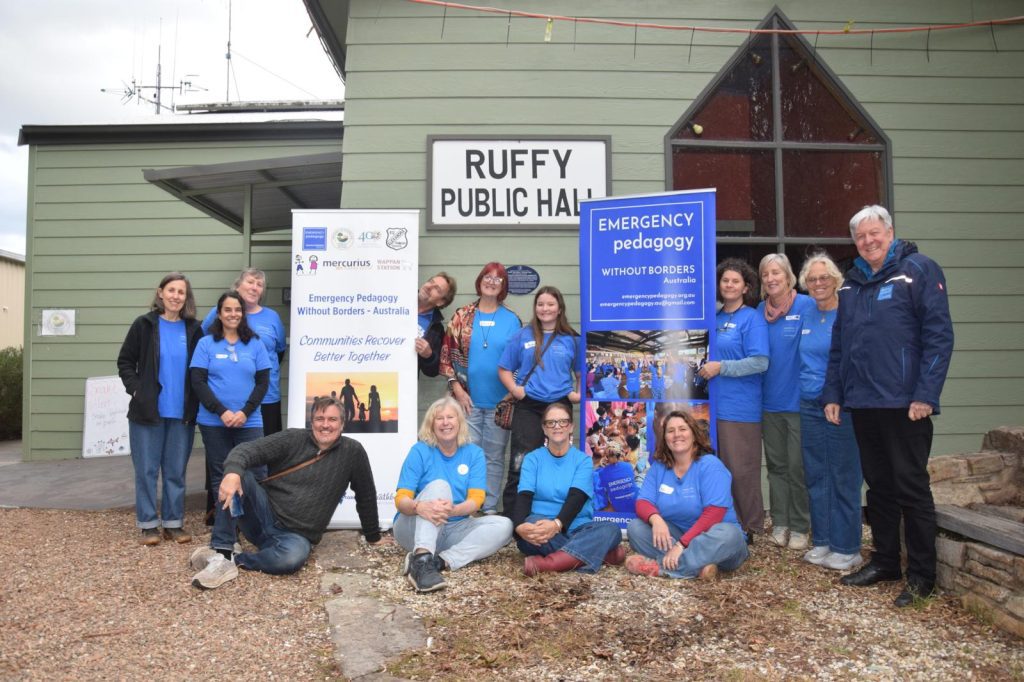
She has led and contributed to responses both in Australia and internationally, including the Bondi tragedy, where her team provided support to over 300 children, young people, families and community members. Deborah also led an Emergency Pedagogy team of Australian educators, nurses and psychologists in supporting communities like Mansfield, Alexandra and Ruffy following the Victorian bushfires in January.
Suzanne is one of 150 volunteer teachers, nurses and doctors across Australia who have joined the Australian chapter since its inception in June last year.
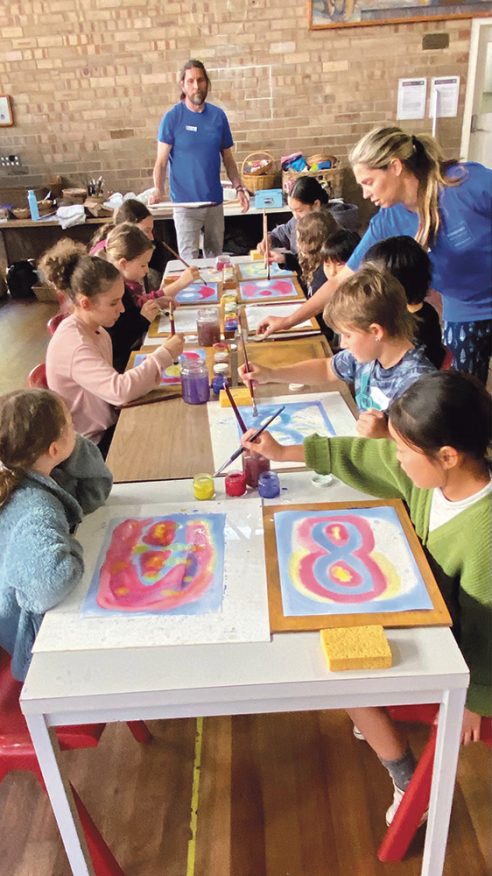
“Our trained teams use movement, play, and arts-based activities to help children regulate, reconnect, and regain inner steadiness — including non-verbal ways to express and process what’s happening when words aren’t available yet.”
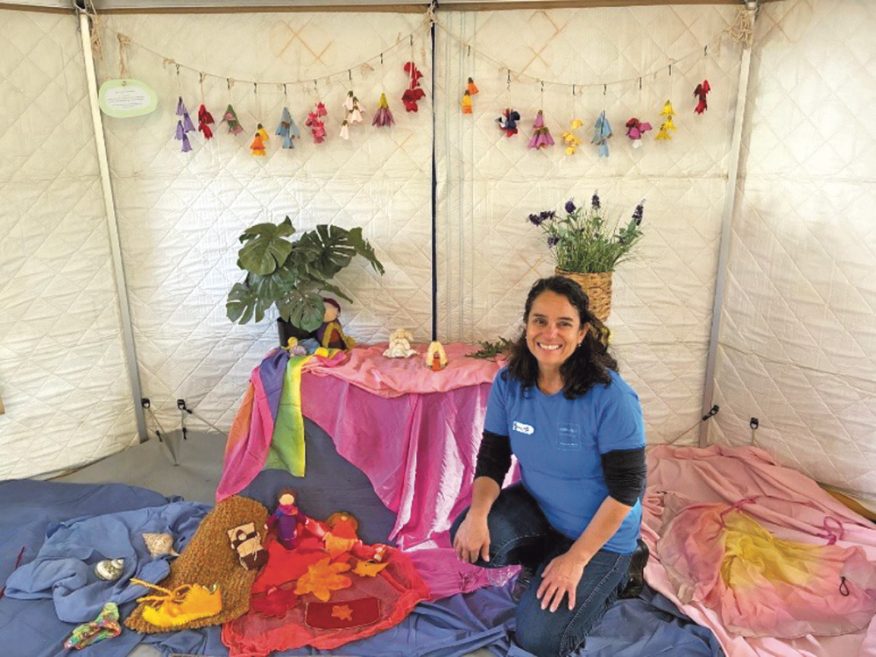
“Suzanne is awesome in working with the younger children and was fantastic in supporting the mums and bubs following the Victorian bushfires.”
The Emergency Pedagogy approach draws on the work of Bernd Ruf, founder of Emergency Pedagogy Without Borders International (Notfallpädagogik) in 2006. Bernd, a German educator and recognised expert in trauma recovery, has led more than 150 emergency pedagogy interventions across more than 40 countries. He is currently leading an emergency pedagogy team in war-torn Lebanon.
At Deborah’s invitation, Bernd travelled from Germany to support communities following both the Bondi attack and the Victorian bushfires.
While the immediate response is often visible, Deborah said the deeper emotional and psychological impacts tend to emerge in the months that follow.
“Trauma is not an illness, it’s a wound.”
“In the first months following a traumatic event, many responses — including disrupted sleep, changes in appetite and a breakdown in connection to self, others and the world— are normal.”
“People heal in community, not in isolation. Our workshops and talks support communities to heal together.”
The creative and movement workshops create what is known as a “protective space” — combining social warmth, rhythm and clear structure to support recovery without requiring people to revisit traumatic experiences.
The charity also provides training for a post graduate certificate in emergency pedagogy crisis intervention. Bernd Ruf will be returning to Australia in October to help deliver training modules covering responses to all types of disasters and traumatic events.
“We’ve got people coming from Mansfield, Alexandra, Ruffy and Bondi after experiencing our intervention. That includes teachers, psychologists and counsellors.”
If you would like to donate or learn, head to emergencypedagogy.org.au or email Deborah directly at info@emergencypedagogy.org.au