

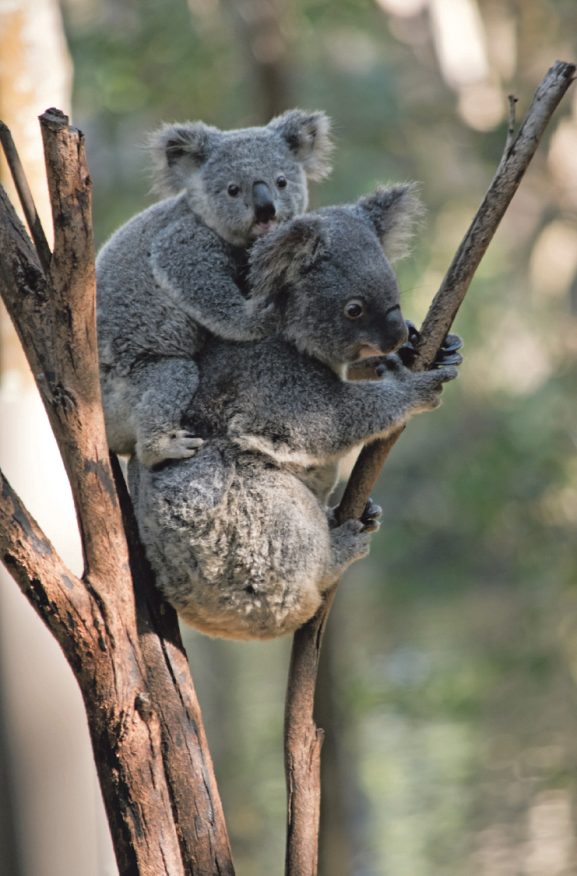
The annual Bongil Bongil citizen science survey is the ultimate chance to see why koalas are putting Coffs Harbour on the map.
Running for an incredible 13 years, the community-based koala survey is on again next month and everyone is invited to take part.
The surveys monitor koala presence and health year to year, using a scientifically valid and consistent methodology.
The data collected has helped inform discussions around the proposed Great Koala National Park near Coffs Harbour, which will protect critical koala populations and more than 100 threatened species.
The proposed park will ultimately include this population as one of the koala strongholds for NSW.
Many other native animals such as possums, gliders, micro bats, owls, snakes, and other nocturnal wildlife have also been encountered during the nighttime wildlife surveys through the tall trees and rainforests.
This long running and popular citizen science program will be begin on Thursday night, 9 October and run every fourth night until 25 October.
Volunteers are required to conduct the 2-hour surveys in small teams by walking 3 kilometres each night along fire trails, beginning just after dark. Surveys are held every fourth night, with a total of 5 nights work over 17 days. A short information and training session is mandatory for all prospective new volunteers on Monday 21 September 21st Coffs Harbour Jetty office.
Those interested in participating in the program can contact the Coffs Coast Office at npws.coffscoast@environment.nsw.gov.au or 02 6652 0900.
National Parks and Wildlife Service Area Manager Andrew Pitzen said:
“Over the past 13 year the program has provided hundreds of local citizens with the unforgettable experience of seeing koalas in the wild.
“We are aiming to monitor any changes that may be occurring in the park’s koala population and make observations on their health and tree selection preferences
“This is an engaging and fun wildlife survey program, with a strong science focus, that most participants thoroughly enjoy. Walking through the forest at night with a powerful spotlight and audio callback equipment can reveal a range of native animals not normally seen during the day.
“Teams walk the park’s trails using NPWS survey gear and will be supervised and managed by an experienced wildlife ranger, collecting valuable data on one of the most important koala populations in the state.”
Long-time volunteer Peter Wood said:
“We often see and hear wallabies, possums and other nocturnal animals. Usually, there is an enthusiast or two in each team who can pass on information about their chosen favourite subject, whether it be trees, ferns, snakes, palms or the history of the area.
“Come on, get off the lounge, invite a friend, get some fresh night air, meet other enthusiasts and become a Koala Spotter. You never know just how much fun you can have out in nature in the dark.”